How Equipment-as-a-Service Keeps Critical Operations Running
Across a wide range of markets, customers are being asked to deliver increasingly complex projects under tight budgets and timelines while maintaining high levels of operational uptime. These dynamics are increasing demand for specialist solutions providers that can deliver not just equipment, but a fully managed service spanning specification, installation, monitoring and ongoing maintenance. We believe this is expanding the importance of Equipment-as-a-Service (EaaS), particularly across critical infrastructure end markets.
What Role Do EaaS Providers Play?
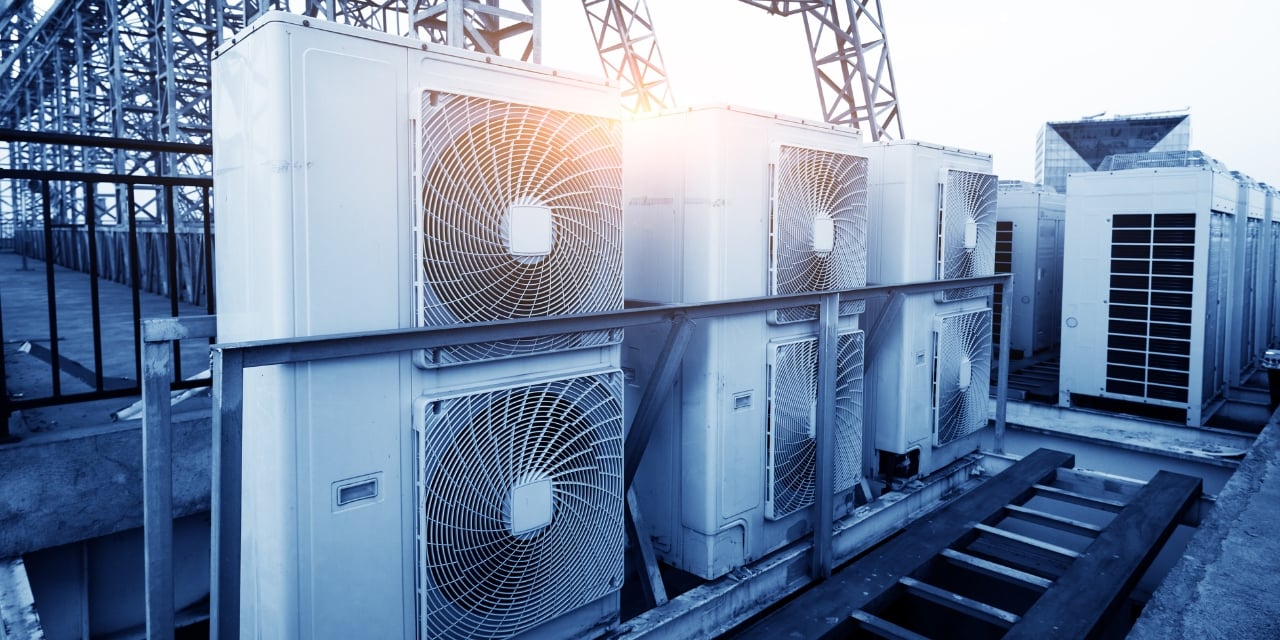
When a major U.K. energy provider was developing a large-scale District Cooling Network in London, it needed a reliable way to serve its customers while the permanent infrastructure was still under construction. They called Rapid Energy, a Baird Capital portfolio company, which designed, installed and commissioned a fully managed cooling plant capable of operating continuously throughout the construction period of nearly three years. Rapid Energy’s solution incorporated remote monitoring of pressures, temperatures and energy usage, alongside ongoing maintenance and performance support. By accessing this capacity through a fully managed, long-term rental model, the customer could continue providing essential cooling to its customers while focusing its resources on the permanent infrastructure buildout.1
This scenario illustrates the important role EaaS providers can play in sustaining critical operations and infrastructure. Customers gain access to specialist equipment and technical expertise without the capex and operational resources required to maintain a similar capability in-house. In this case, Rapid Energy was able to assess the requirement, deploy a right-sized solution, and take responsibility for the ongoing operation, monitoring and maintenance of the cooling plant throughout the project.
We believe EaaS is particularly compelling where the equipment is:
Mission
Critical
Technically
Complex
Non-Core to the
Customer’s Operations
In scenarios where these characteristics hold, equipment absence or failure can cause significant operational disruption and costly delays. Moreover, the technical complexity and non-core nature of the asset make it more financially or operationally unfeasible to manage in-house.
Select end markets where we see this dynamic playing out today include:
- Data Centers - record capex from hyperscalers is outpacing the power, labor and equipment supply needed to build and operate them
- Grid Infrastructure - ageing, underinvested networks require phased upgrades and ongoing maintenance of a large installed base, where uptime is critical
- Water and Wastewater - acute equipment and labor shortages along with constrained budgets are pushing operators away from capex outlays toward opex-based solutions
- Healthcare - system operators need flexible infrastructure capacity without large upfront investment
How Baird Capital Partners with EaaS Providers
At Baird Capital, we have deep experience scaling EaaS businesses. Our investment in Rapid Energy, as well as our prior investments in Subsea Technology & Rentals (STR) and Watkins Hire, has strengthened our conviction in the EaaS model and provided us first-hand experience into the capabilities required to support growth for this model.
We are actively seeking further opportunities to partner with founder-led EaaS providers serving critical infrastructure and other resilient end-markets, where we can draw on our sector expertise, international network and operating resources to support their next phase of growth. With flexible capital, a partnership-oriented approach and a robust operational toolkit, we believe we are well positioned to help the next generation of EaaS leaders scale.
Connect with a member of the team to learn more about Baird Capital’s Industrial Technology & Sustainability investment thesis.






1 Rapid Energy, “Temporary Cooling for a Large Scale District Cooling Network”